

SHANNON ZIMMERMAN
Deputy President
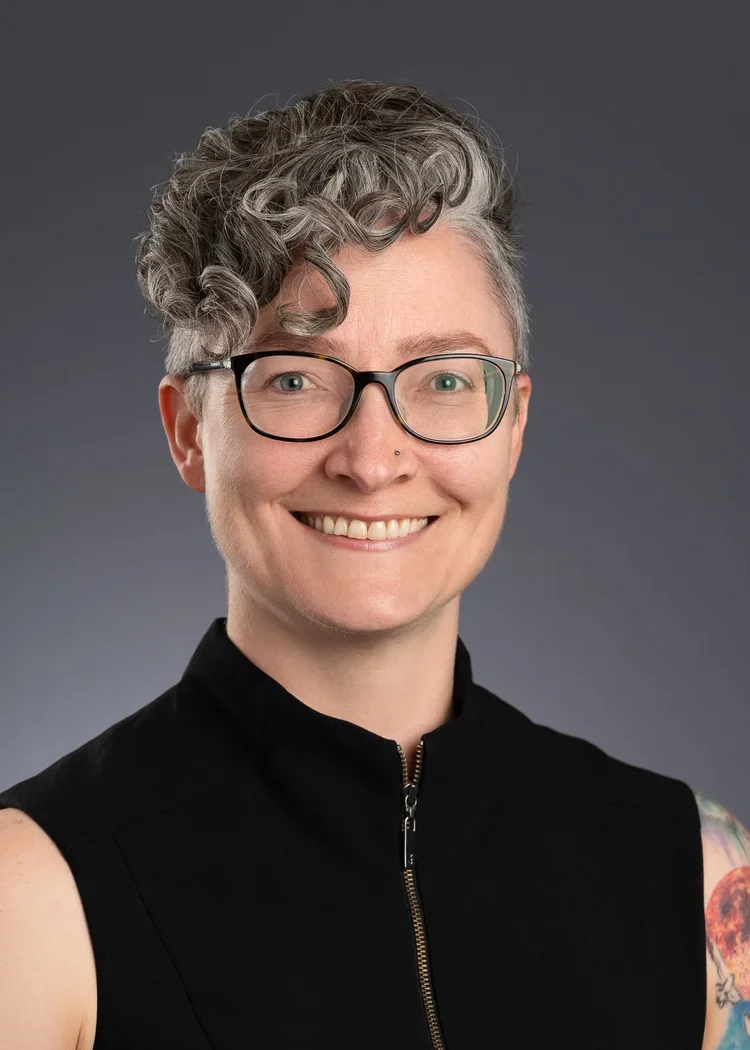
Shannon Zimmerman is a Senior Lecturer in Strategic Studies at Deakin University’s Centre for Future Defence & National Security. Before that, she was a postdoctoral research fellow at the RMIT University in Melbourne, Australia and a casual tutor and lecturer at the ANU. Her research focuses on military operations other than war, including peace operations, humanitarian and disaster response, and defence diplomacy. She also studies misogyny motivated terrorism, looking at the online groups in the ‘Manosphere’. Shannon received her PhD from the University of Queensland in 2019 and her Masters in Conflict Resolution from Georgetown University in 2012.
Why do you think it is important to have women and gender diverse people in international security spaces?
Different people experience security differently. If we don’t have everyone at the table, we are not going to be successful in addressing all the relevant security threats out there. Also, the more diverse perspectives represented the more likely we will be to find innovative ways of ensuring domestic and national security. As we are experiencing new threats everyday, the more options we have the better.
What is your proudest achievement in direct support of the goal to have more women and gender diverse people in international spaces?
I find those moments where I can lift others up to share their perspectives or voices as the most gratifying part of supporting women and gender diverse people in the space of international security. This might be by connecting them to others, providing an opportunity to write something or speak on a panel, or be on a podcast. These little connections can mean a lot and I really value them.
What is one area of growth you would like to see in this space?
I would like there to be more discussion about the gendered nature of security itself. We are getting more diversity in security spaces but we are still pursing a very male/masculine type of security that focuses on state and territorial security when many of our most salient challenges are going to be focused on broader types of security such as social cohesion.